
Why This Topic Matters
This topic gives students a chance to connect a story or life example to practical leadership. The goal is to discuss, question, listen, and apply the lesson.
Reading
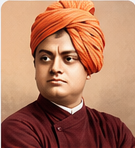
In 1893, Swami Vivekananda spoke at the World's Parliament of Religions in Chicago. He represented India's spiritual heritage and began with warmth toward the audience. His message emphasized respect, acceptance, and harmony.
He did not speak to defeat others. He spoke to build understanding. His voice was powerful because it carried both confidence and compassion.
For Yuva Club, this story is a model for presentations: know your message, respect your listeners, and speak from the heart.
As you read, pay attention to the choices, challenges, and values in the story. These details will help you prepare for a meaningful group discussion.
For teenagers, the most important part of The Chicago Speech is not memorizing names or dates. The deeper goal is to ask what kind of person the story is training us to become. The leadership skill for this page is Public Speaking. That means students should look for examples of responsibility, self-control, courage, humility, or clear thinking, and then connect those examples to school, friendships, family, and community life.
A strong presenter should explain the background, the turning point, and the lesson. The background tells the group what is happening. The turning point shows the choice or challenge. The lesson explains why the story still matters today. This structure helps the presenter speak clearly and helps listeners prepare thoughtful comments.
During discussion, avoid giving only one-word answers. Support your ideas with a reason from the reading and an example from real life. You may agree or disagree respectfully, but the goal is to think deeply together. When students listen carefully, ask better questions, and build on each other's ideas, the club becomes more than a reading group. It becomes a place to practice leadership.
After the session, try the practical takeaway: Students practice a 20-second opening greeting for a speech. This turns the reading into action. The best lessons are not only remembered; they are practiced in small choices during the week.
Vocabulary
- respect
- audience
- confidence
- harmony
- message
Discussion Questions
- Why did Vivekananda's speech inspire people? Explain your thinking with evidence or an example.
- How can a speaker show respect? Explain your thinking with evidence or an example.
- What makes a speech memorable? Explain your thinking with evidence or an example.
- What value is most important in this reading? Explain your thinking with evidence or an example.
- How can students practice this lesson? Explain your thinking with evidence or an example.
Leadership Takeaway
Public Speaking: Students practice a 20-second opening greeting for a speech.
Optional Challenge
Prepare a one-minute mini presentation explaining one challenge this leader faced, one value they demonstrated, and one habit students can practice from their life.